
Solar panels produce power when sunlight is available. Homes and businesses often need the most electricity at other times. Battery storage helps bridge that gap by storing solar energy for evenings, outages, or periods when grid electricity is expensive.
Solar Output Does Not Match Every Load
Solar production usually peaks around midday. Household activity often rises after work. Commercial loads may peak during business hours, but still shift with weather, equipment, and operations. The DOE states that storage can release solar energy when it is needed and help smooth variation from clouds or seasonal changes.
Export Credits Make Storage More Relevant
If a utility pays strong retail credit for exported solar, batteries may be less urgent financially. If export credits are low or time-based, storing solar on-site can be more valuable. EnergySage notes that homeowners often get the most from batteries when paired with solar, especially where excess solar exports are not well compensated.
Backup Requires More Than Panels
Many grid-tied solar systems shut down during outages unless they include approved storage and islanding equipment. Reddit solar discussions repeatedly surface this surprise: without a battery or compatible backup system, solar alone may not power the home when the grid fails.
Product Fit Matters
When comparing solar battery storage products, look beyond battery capacity. Ask how solar charges the battery, whether the system can support backup operation, how energy flows are monitored, and whether the platform can expand if loads grow. The storage system needs to match both the solar array and the site electrical needs.
Ask for Daily Scenarios
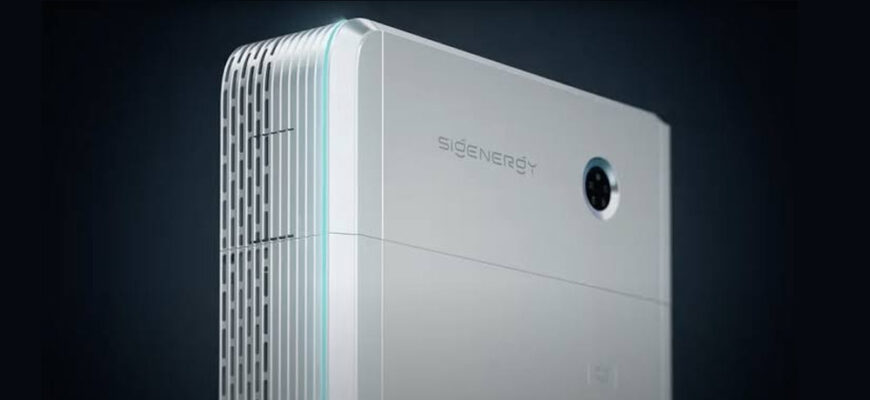
A proposal should show what happens on a sunny day, a cloudy day, an evening peak, and a grid outage. For homeowners and businesses reviewing Sigenergy energy storage products, those scenarios reveal more than a single price-per-kWh comparison.
A strong proposal should include at least three operating scenarios: a normal day, a high-demand or high-price period, and an outage. Those examples reveal whether the system is designed around real behavior or only around a spec sheet. They also help buyers see whether stored energy is being used for savings, resilience, solar shifting, or operational continuity.
The buyer should ask for assumptions in writing. Useful capacity, continuous output, surge capability, backed-up loads, charging sources, reserve settings, tariff assumptions, incentive assumptions, and support responsibilities should be clear before equipment is ordered. According to NREL and DOE storage materials, configuration and use case strongly affect both cost and value.
Monitoring and control deserve special attention. A battery that cannot show clear energy flows or protect reserve may be harder to trust. Owners should be able to see when the battery charges, when it discharges, what it is supporting, and whether the system is following the intended mode.
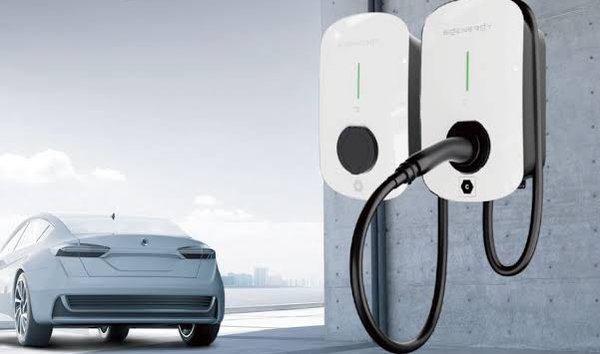
Future loads should also be part of the conversation. EV chargers, heat pumps, expanded solar, new equipment, or utility program changes can alter the value of storage. A system that can adapt is often more useful than one sized only for the first month after installation.
Finally, buyers should compare battery storage with efficiency and load-management upgrades. Sometimes the best result comes from pairing storage with better controls, efficient equipment, or smarter scheduling. Storage is most powerful when it is part of a complete energy plan.
Safety and service should not be treated as afterthoughts. Ask where the battery can be installed, what clearances are required, who handles alerts, and how firmware updates are managed. A reliable storage project includes ongoing support, not just equipment delivery.
The financial model should match the stated goal. If the system is sold for savings, the proposal should show rate assumptions and expected operating behavior. If it is sold for backup, the proposal should show runtime ranges and supported loads. Mixing those goals without clear assumptions makes comparison difficult.
Battery storage should also be evaluated against local conditions. Outage history, climate, export credits, demand charges, utility interconnection rules, and available incentives can all change the result. A system that makes sense in one service territory may not be the best fit in another.
Before signing, ask for a one-page summary of what success looks like. It should name the main use case, the expected operating mode, the loads or processes being protected, and the data that will be used to verify performance after installation. That small document can prevent a lot of confusion later.
It also gives owners a clear benchmark for post-installation review.
Solar and battery storage work best when the system is designed around actual production, actual loads, and actual utility rules.